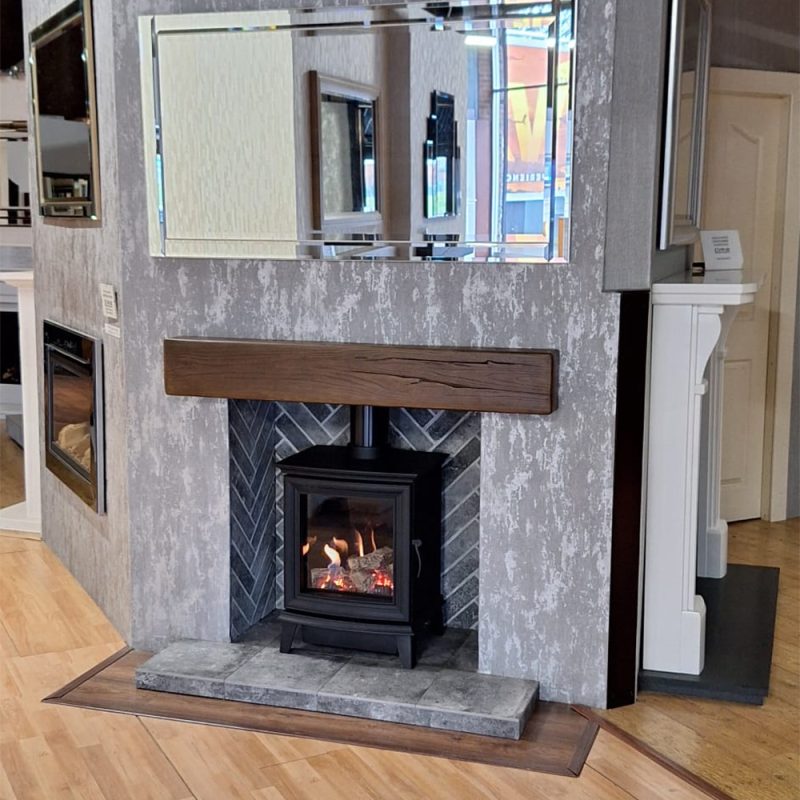
Classic cast-iron insert with decorative mantel surround
Of our traditional fireplace ideas, a cast-iron insert paired with a decorative mantel is quintessential. The iron fireback and grate sit within the chimney opening, framed by a marble or stone mantle. It’s strong and architectural.
Beyond its romanticism, cast iron is one of the hardest-working materials in fireplace manufacturing. Insert designs were historically prized because the metal absorbs and re-radiates heat back into the room, and they’re still coveted today.
If you’re interested in authentic detail, look for late-Victorian and Edwardian-style inserts with arched openings or tile slips. Original and modern reproductions often have built-in firebacks and may incorporate two vertical ceramic tile panels (which became popular in the 1880s).
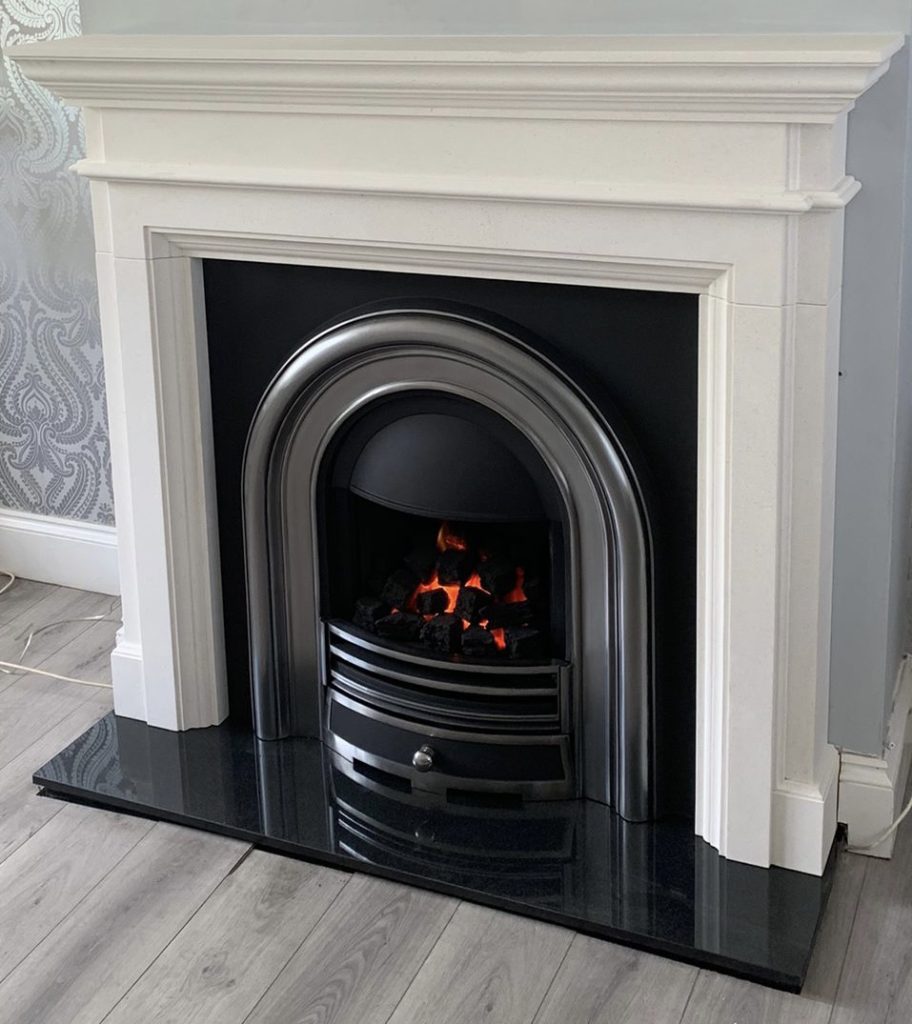
Marble chimneypiece (Carrara, Micro Marble or other natural stone)
There’s a reason marble chimneypieces are a steadfast part of fireplace history.
They’re made from a hard-wearing material that’s classically chic. Carrara, for example, typically has a cooler grey base with fine, feathery veining, while Statuario (quarried in the Carrara region) is prized for its cleaner white ground.
If you’re someone who loves colour, marble isn’t limiting. Instead of Carrara, consider coloured marbles such as White Micro marble Manila or a Grey marble inlay that feels Georgian in nature.
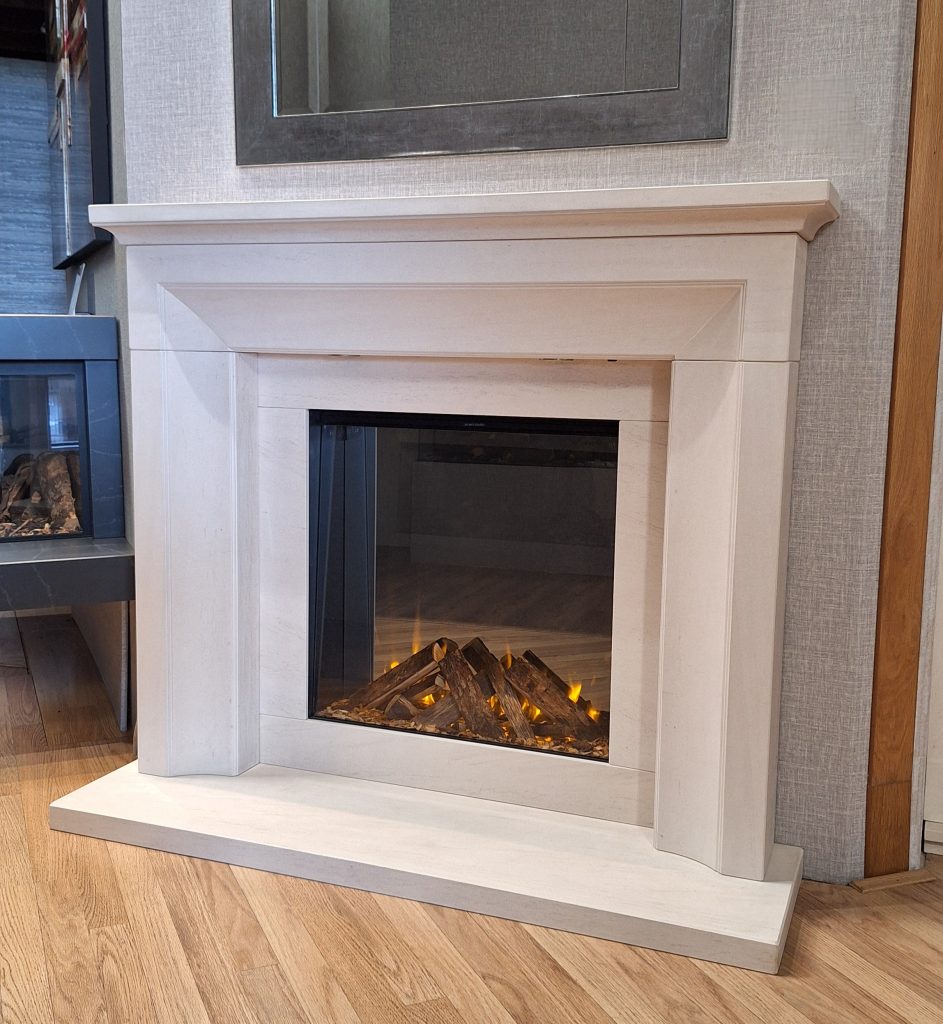
Limestone or Portuguese Limestone sandstone surround with carved detailing
Both limestone and Portuguese Limestone offer the time-worn character that people often associate with traditional fireplace ideas, and they lend themselves beautifully to carving.
You might shop for English limestones (like Bathstone), which can sometimes have a honeyed tone and fine grain. Sandy, beige sandstone adds more of a rustic, country-house feel to a fireplace.
There are also later Regency and Victorian fireplace designs, which introduce bolder corbels, fielded panels and deeper shelves. So, when you’re choosing the right level of ornament, it’s good to get a visual reference.
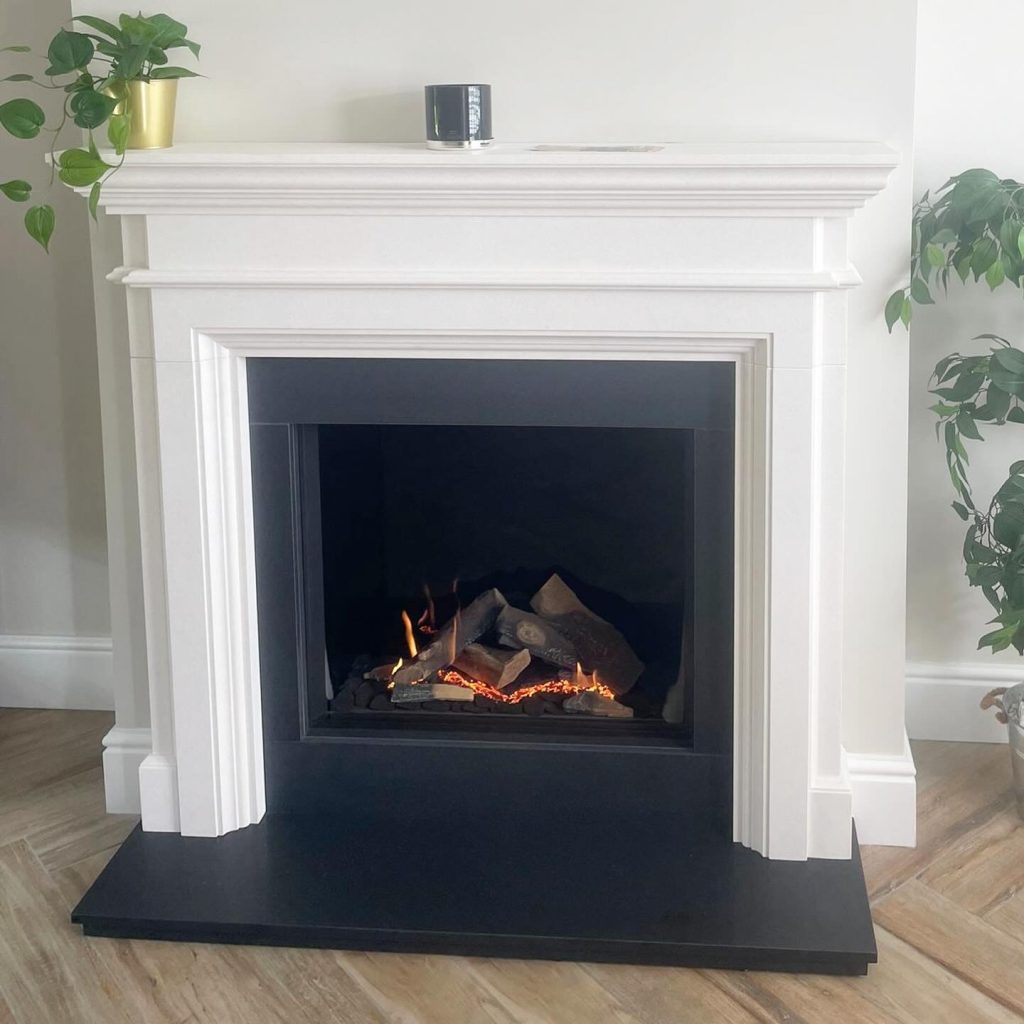
If you’re looking for fireplaces near Wigan, be sure to visit our showroom. We house 200 live displays so homeowners in Wigan and the surrounding North West can find the perfect fit in person.
Wooden mantel and overmantel scheme (e.g. oak, walnut)
If you want your fireplace to feel architecturally ‘built-in’, a timber mantel with a stacked overmantel is a great way to do it.
The overmantel (the continuation of the surround up the wall) was a staple of Georgian and Victorian rooms, and often framed a mirror to visually ‘lift’ the entire chimney.
Oak is traditionally warming (when quarter-sawn, it can have a medullary ‘tiger stripe’ fleck), and Walnut is a deeper tone that looks great when paired with pilasters, corbels and panel mouldings.
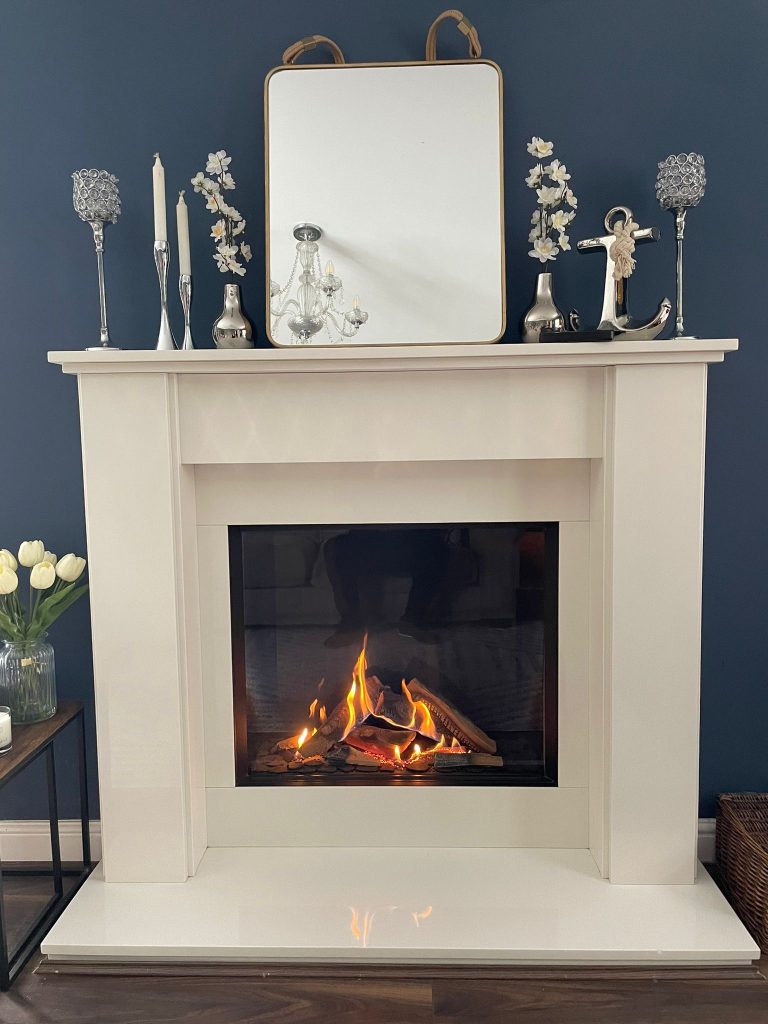
Brick or exposed-brick surrounds/chimney breasts
In period homes, keeping the original brickwork visible can feel more authentic than re-plastering, so why not take inspiration from our traditional fireplace ideas?
Skip the plastering and, for older or softer brickwork, just keep the repairs as sympathetic as possible. Most experts recommend using lime-based mortars for repointing historic masonry because they’re breathable and will weather before the bricks do.
Before exposing a chimney breast, remember to rake out loose or cement-hard pointing and repoint it neatly.
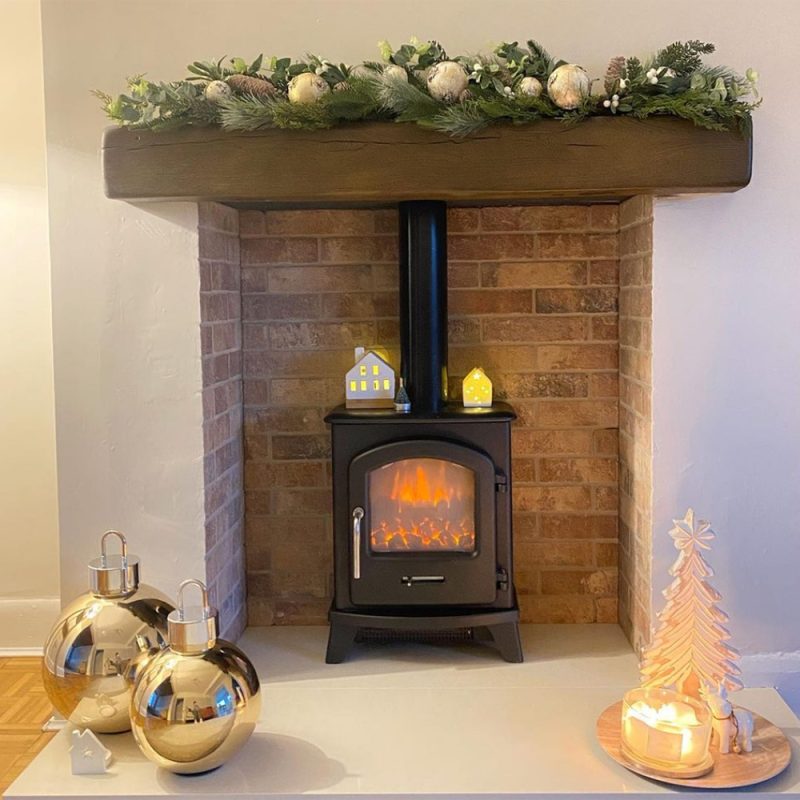
Suspended or hanging fireplaces (if structure permits)
The design lineage of suspended, hanging fires comes from the 1960s, when a brand called Gyrofocus popularised the idea of a central, ceiling-hung fire that pivots 360º to face wherever the action is!
If your home has the right structure to accommodate it, a hanging fire frees up chimney breasts for books and portraits. But the romance of a hanging fireplace doesn’t make it exempt from the rules.
In the UK, fixed combustion appliances are still regulated by Building Regulations Part J, which requires the safe discharge of fumes, correct flues, and carbon-monoxide alarms as standard practice.
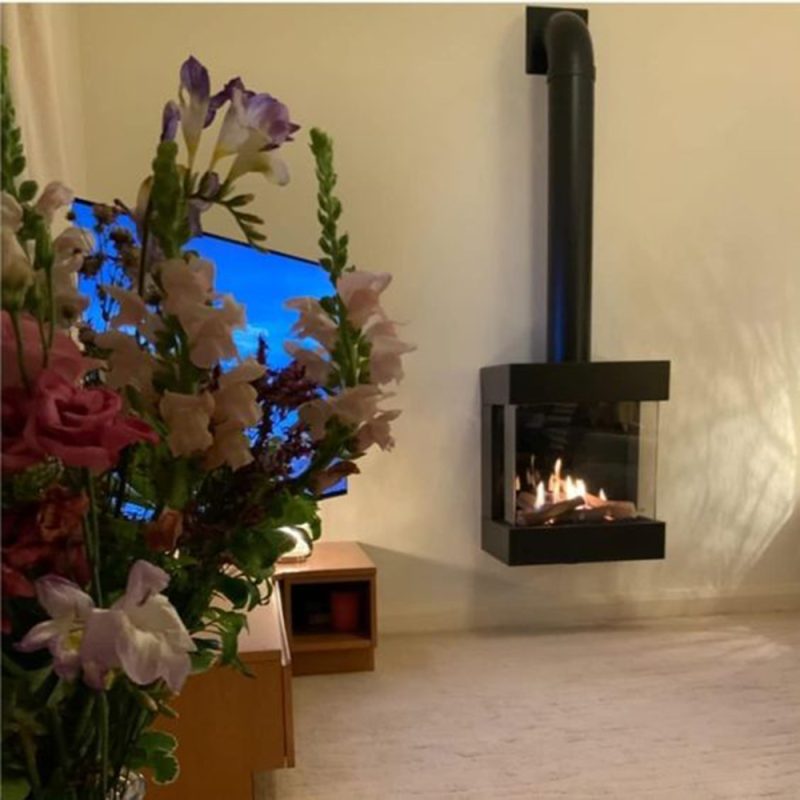
Period or historic styles: Victorian, Edwardian, Georgian, Arts & Crafts
Traditional fireplaces tell the story of British domestic life. So, why not bring some of this history into your home?
Georgian rooms favoured classical order: slim chimneypieces in fine marbles with neoclassical ornaments. It’s substance over style, and these traditional fireplace ideas pair happily with polished limestone or a pine mantel.
Victorian fires, however, embrace abundance! Consider designs like cast-iron stoves, deeper fireboxes, and patterned hood plates, as well as glazed tiles featuring botanical flower motifs.
By the Edwardian years, things became a little lighter: you still see tiled inserts, but colours are fresher and motifs are more fluid.
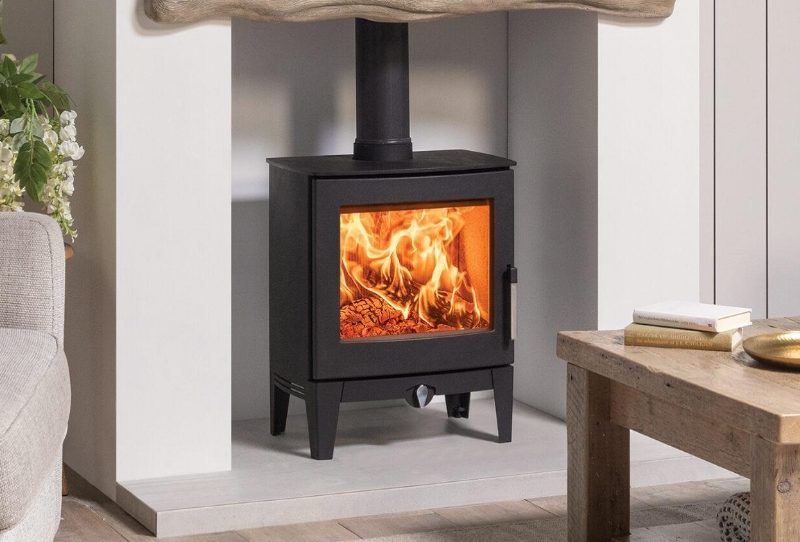
Hearth treatments: stone hearths, flagstone, encaustic tile hearths
The style of your hearth can have a significant effect on your fireplace, and it all depends on the material you use.
Stone hearths feel grounded: slate has a classic, almost soft matte depth that hides ash well, and honed granite offers excellent resistance to staining and heat.
Limestone offers a pale character that flatters period rooms, but it’s more porous, so regular sealing and gentle, non-acidic cleaners are essential. If you’re after a more ‘time-worn’ look, flagstone hearths are common amongst cottages and farmhouses.
Andirons or fire-dogs with decorative styling
Have you ever heard of a fire dog, also known as an andiron? These metal supports (which are usually made of iron) were used in open fireplaces to elevate logs off the hearth: this helped logs burn hotter and cleaner.
In the 16th and 17th centuries, they were vital for good air circulation, and were even adapted to help fire top cooking. Today, they serve a more decorative purpose. When shopping, remember to select a size that’s proportionate to the fireplace opening.
Pick a finish that ties in with what you’ve got already, whether that be gold to match your door handles or brass to match your fire tools.